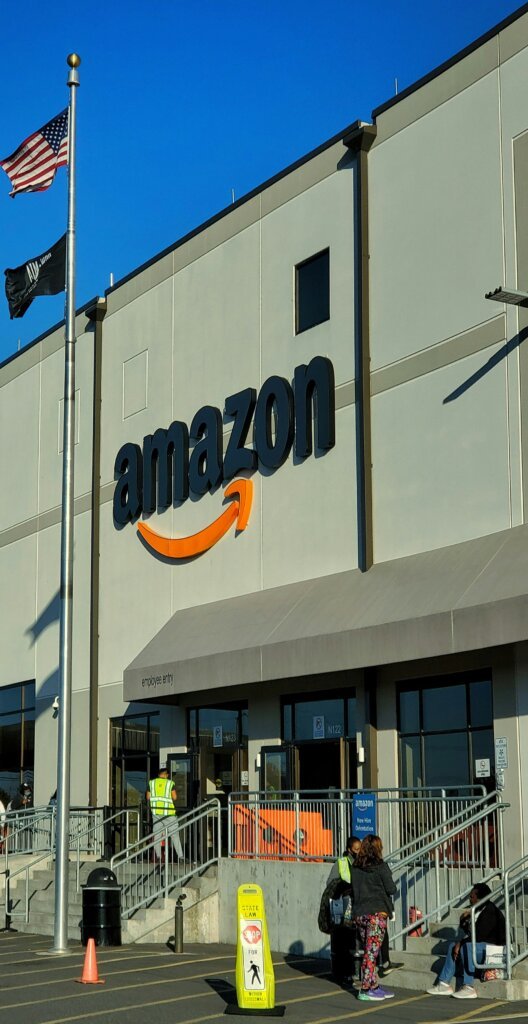
Amazon Packing Jobs Open
Amazon is one of the largest warehouse employers in the world, and “packing job” is the phrase most people search for. That makes this one of the most scam-infested corners of the job market — and one of the most misunderstood.
This guide explains what the job actually is, how the hiring process works from start to finish, what the pay really looks like after shift differentials, and how to spot the fake recruiters who charge people for a job that is free to apply for.
What “packing” actually means
“Packing” is used loosely. In an Amazon fulfilment centre there are several distinct roles, and you do not always get to choose:
- Packer — assembles customer orders into boxes, adds dunnage, seals and labels. Fast, repetitive, standing.
- Picker — walks the floor with a scanner collecting items against an order. This is the most walking-intensive role, often many kilometres per shift.
- Stower — puts incoming inventory onto shelves and into bins. Repetitive lifting, sometimes overhead.
- Ship dock — loads and unloads trailers, sorts packages onto belts. Physically the heaviest, and often the best paid of the entry roles.
- Sortation associate — works in a smaller delivery station rather than a fulfilment centre, sorting parcels for the last mile.
Most entry hires are brought in under a general “warehouse associate” or “fulfilment associate” title and assigned to a function after training. If a listing promises a specific packing-only role, treat that as a detail to confirm with the site, not a guarantee.
Pay: how it is actually structured
Amazon does not publish a single national rate, because warehouse pay is set by location and adjusted for local labour markets. Advertised figures on third-party sites vary wildly, and blanket claims in the range of “$20–$35 per hour” are not reliable — that upper figure is not typical for an entry packing role.
What is consistent is the structure:
- Base hourly rate — set by site, reviewed periodically.
- Shift differential — extra pay for nights, weekends, and some early shifts. On overnight shifts this can add a meaningful percentage.
- Overtime — time and a half beyond the standard weekly threshold, and mandatory overtime is common during peak.
- Weekly pay — one of the genuine advantages: pay lands weekly, not monthly.
Before accepting, check the base rate for the specific site, and ask what the shift differential is for the shift you are being offered. Two sites twenty miles apart can differ.
Requirements
- Age — 18 or over for warehouse roles (some sortation sites hire from 16 in certain countries).
- Right to work — you must be legally authorised to work in the country of the site. Amazon does not sponsor visas for warehouse associates.
- Background check — standard for warehouse roles.
- Drug screening — required at many sites, and in some US states cannabis testing rules have changed, so ask locally.
- Physical capacity — standing for a full shift, repeated lifting (commonly up to around 22–23 kg / 50 lb), and sustained walking. This is the real filter, not the interview.
- Basic English (or local language) — enough to follow safety instructions and read labels.
No CV, no degree, and usually no interview in the traditional sense. That is the attraction — and also why so many intermediaries pretend to “get you in”.
How the hiring process actually works
- Apply on Amazon’s own site. Applications go through Amazon’s official job portal, not through WhatsApp, Telegram, or a personal Gmail address.
- Online application — personal details, availability, and a few eligibility questions. Takes minutes.
- Virtual job preview or assessment — a short session explaining the physical demands and shift patterns, plus a basic assessment. It is designed to let people self-select out.
- Schedule a start date — successful applicants pick from available shifts and appointment slots.
- Onboarding — documents, background check, safety training, then a first shift on the floor.
Total time from application to first shift is frequently measured in days to a couple of weeks, not months. If someone tells you it takes three months and requires a fee, that is the end of the conversation.
Timing: when to apply
Warehouse hiring is seasonal, and the pattern repeats every year:
- August to November — peak hiring for the holiday season. The largest volume of openings by far.
- Prime Day period — a smaller surge in late spring or early summer.
- January to March — quiet. Fewer openings, and temporary contracts end.
Applying in early autumn gives the best odds of being hired quickly and of being kept on after peak.
What the shifts are really like
Shifts are typically ten hours, four days a week, or five eight-hour days, with a choice of day, twilight, night, and weekend patterns depending on the site. Two practical points people underestimate:
- Night shifts pay more but cost more. Transport, childcare, and sleep all get harder. Factor that into the comparison.
- Mandatory overtime exists. During peak, extra shifts can be required with limited notice. If you have fixed commitments, ask about this before accepting.
Benefits worth knowing
Benefits vary by country and by contract type, but the common ones are health coverage (frequently after a waiting period), a retirement contribution, employee discounts, paid time off accrual, and tuition support programmes for career development. Temporary and agency contracts usually carry fewer of these — another reason to apply directly rather than through an intermediary.
Career path from the floor
Warehouse work is not a dead end, but progression is not automatic. The realistic path runs from associate to process guide or trainer, then to area manager, and from there into operations, inventory, or logistics roles. Promotion depends on attendance, rate, and — more than anything — being the person who solves problems rather than creating them.
For people who want to move up faster, the tuition-support programmes are the most underused benefit: they can fund a qualification in logistics, engineering, or management while you are still employed.
Scams: the Amazon edition
Because applications are free and easy, fraudsters sell “guaranteed placement”. The patterns:
- Anyone charging a fee. Amazon does not charge applicants. Ever. Not for registration, training, uniforms, or “priority processing”.
- Recruiters on WhatsApp or Telegram only, with no company email domain.
- Requests for bank details or ID before an official offer.
- Websites that look like Amazon but are not. Check the domain character by character; typosquatted lookalikes are common.
- “Work from home packing Amazon orders” — a separate and entirely fake category. There is no legitimate Amazon programme where you pack orders at home.
Frequently asked questions
Do I need experience?
No. Entry warehouse roles are designed for people with no prior experience. Reliability and physical capability matter more than a CV.
Do I need to speak good English?
You need enough to understand safety briefings and read labels. Many sites have multilingual staff, but the working language is the local one.
Can Amazon sponsor a visa for a warehouse job?
No. Warehouse associate roles are local hires. Anyone offering visa sponsorship for a packing job is not representing Amazon.
How long does hiring take?
Often days to a few weeks, depending on site demand and background check turnaround. Peak season is fastest.
Is the job physically hard?
Yes. Expect ten hours on your feet, repeated lifting, and a lot of walking. The virtual job preview exists precisely so you can judge that honestly before starting.
Final thoughts
Amazon packing jobs are real, accessible, and pay weekly — which is why they are worth applying for directly and never through a paid intermediary. Apply on the official portal, apply in early autumn, and read the shift pattern carefully before you accept. The job is straightforward; the noise around it is not.
Related: Amazon jobs overview, warehouse associate jobs with no experience, and the warehouse supervisor career guide.
